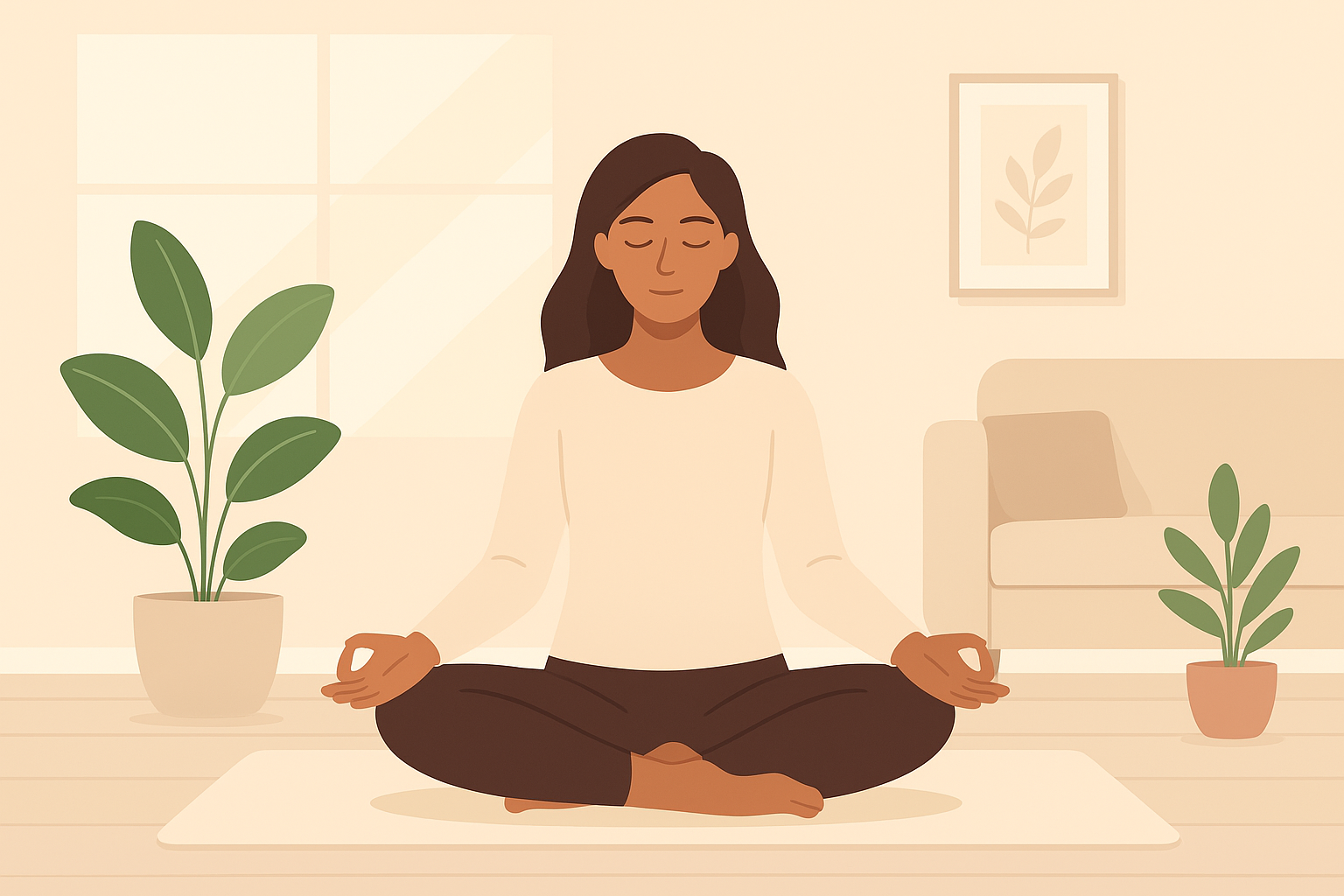

Introduction: The Modern Pursuit of Peace
In today’s world, where constant notifications and digital overload dominate our days, peace has become a luxury. But in 2025, a growing number of people are turning toward mindful living — a lifestyle that encourages awareness, balance, and emotional clarity.
Mindfulness isn’t about escaping reality; it’s about fully experiencing it. By building simple daily habits, you can cultivate calmness, resilience, and long-term well-being.
1. What Is Mindful Living?
Mindful living means being fully present in each moment, aware of your thoughts, emotions, and surroundings without judgment. It helps you respond calmly instead of reacting impulsively.
This approach integrates mindfulness into every aspect of life — from how you eat and work to how you rest and connect with others.
2. The Science Behind Mindfulness
Research from top institutions like Harvard and Stanford confirms that mindfulness can:
Reduce anxiety and depression
Lower blood pressure
Enhance memory and focus
Strengthen the immune system
In short, mindful living is not just a mental practice — it’s a full-body wellness habit.
3. Morning Routines That Set the Tone
Your morning shapes your entire day. Instead of grabbing your phone first thing, start with a 5-minute breathing exercise or simple meditation.
💡 Try This:
Sit comfortably, close your eyes, and focus on your breath.
Inhale for 4 seconds, hold for 2, exhale for 4.
Repeat for five minutes before you begin your day.
This small act resets your nervous system and cultivates inner calm.
4. Eat Mindfully
Mindful eating helps you reconnect with your body’s hunger cues and improves digestion.
🥗 Steps for mindful eating:
Avoid screens during meals.
Chew slowly and appreciate flavors.
Stop eating when 80% full.
When you savor each bite, you improve your relationship with food — turning meals into nourishing rituals rather than rushed routines.
5. Move with Intention
You don’t have to join an intense workout program to be healthy. Mindful movement — yoga, tai chi, or even walking — can improve flexibility and reduce stress.
🚶 Tip: Focus on how your body feels as you move. Notice your breathing rhythm, your footsteps, and your posture.
6. Declutter Your Mind and Space
A cluttered environment often leads to a cluttered mind. Simplifying your surroundings can help you focus and feel calmer.
🧹 Try this weekend ritual:
Choose one area (desk, drawer, phone apps).
Remove anything unnecessary.
Keep only what supports your goals and joy.
Decluttering isn’t about minimalism; it’s about making space for peace.
7. Digital Detox: Reclaim Your Attention
Our constant connection to screens is draining. Set boundaries with technology by designating “no-screen hours” each day.
📵 Ideas:
No phones during meals.
Turn off notifications after 9 PM.
Replace late-night scrolling with reading or journaling.
You’ll find yourself sleeping better, thinking clearly, and feeling more present.
8. Gratitude Practice
Gratitude is one of the most powerful tools for happiness. It rewires the brain to focus on positivity rather than stress.
📝 Daily Habit:
Before bed, list three things you’re grateful for — big or small. Over time, this simple ritual improves mood and emotional health.
9. Mindful Breathing in Stressful Moments
Whenever anxiety strikes, use breath awareness to anchor yourself.
🌬️ Technique:
Inhale deeply through your nose.
Hold for a count of four.
Exhale slowly through your mouth.
This activates your parasympathetic nervous system, reducing cortisol and calming the body.
10. Rest and Reflect
True mindfulness includes rest — not just sleep, but mental downtime.
Try meditation apps, soothing music, or short nature walks to reset your energy.
🕯️ Reflection Tip:
End your day by asking:
What did I learn today?
What can I let go of?
Reflection transforms daily experiences into meaningful growth.
Bonus: Mindful Relationships
Mindfulness also deepens human connections. Listen without interrupting, maintain eye contact, and respond thoughtfully. Presence is the greatest gift you can give someone.
How to Start Your Mindful Living Journey
Start small — choose one mindful habit and stay consistent. For example:
Week 1: Practice mindful breathing every morning.
Week 2: Eat lunch without screens.
Week 3: Journal gratitude nightly.
Over time, these micro-habits create macro results in peace, health, and happiness.
Conclusion: Peace Is a Practice
Mindful living in 2025 isn’t about perfection — it’s about awareness. When you slow down and live with intention, you reclaim control of your life and energy.
🌿 Be here. Be kind. Be present. That’s the essence of mindful living.



























People reacted to this story.
Show comments Hide commentsHappylukelink, sounds cheerful! The website looks good and games all run pretty smoothly. I’m here to stay. Join the happy people at happylukelink and get your luck on!